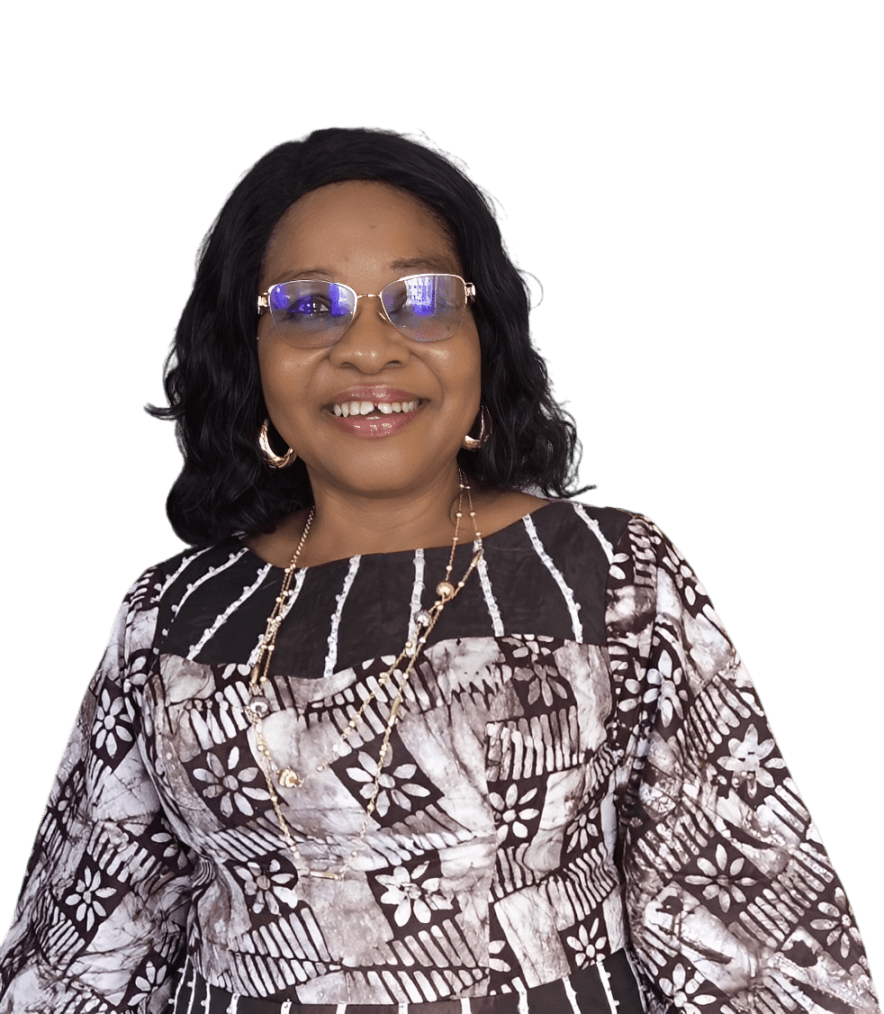
Professor Florence O. Nduka is a Professor of Public Health Parasitology at the University of Port Harcourt where she is engaged in teaching, research and community service. She transferred her services from Abia State University in 2012 after over twenty years of impactful imprints on the sands of raising the next generation of academics and leaders at different facets of societal growth.
She is a full Lioness holding a B.Sc. (Hons) Second Class Upper Division in Zoology and PhD Parasitology from the prestigious University of Nigeria Nsukka She has held different administrative positions in the University systems including Head of Department, Director of Academic Planning, Students’ Industrial Work Experience (SIWES), Research and Publications, celebrated University Orator Chair and member of numerous committees and was a member of the Governing Council representing Senate.
She is currently the Chair of the Academic Board of the School of Public Health, University of Port Harcourt. She is a fellow of the Parasitology and Public Health Society of Nigeria and Zoological Society of Nigeria and current President of the Zoological Society of Nigeria. She is a member of the Organization of Women Scientists of the Developing World (OWSD) and infact was present at the World Assembly held in China in 2010 where the name was changed from Third World Women In Science (TWOWS).
She is a Consultant to the Federal Ministry of Health and member of the National Steering Committee on Neglected Tropical Diseases charged with driving the policy towards possible elimination of these diseases. She is also the Chairman of the Board of the Niger Delta Development Commission (NDDC) on Malaria and Phytomedicine research, University of Port Harcourt. She is a community leader and Chief, Nneoha.
Her research focuses on the epidemiology of major parasitic infections found in the tropics such as malaria, schistosomiasis, soil-transmitted helminthiasis, and filariasis. Her research outputs have provided baseline data, validated diagnostics, and shown community perception and practices that enhance risks, the role of environmental degradation in transmission, and advocacy and public health education in the reduction of infections. These have helped to shape policies and National guidelines in the implementation of control strategies for some of these public health parasites. Her research has also investigated the compliance levels with WHO-prescribed malaria preventive therapy in pregnant women in different sections of the country.